
Essential Home Repairs and Upgrades to Boost Value Before Selling
- Jeff & Viola Cashmore

- Aug 12
- 5 min read
Buyers notice problems fast. A loose gutter, stained ceiling, or flickering light can raise doubts before they reach the kitchen. Fix the right items before listing, and the home feels cared for. Skip the wrong ones, and the sale can slow down or cost more during negotiations.
Start with repairs that affect safety, function, and first impressions. Then choose small upgrades that make the home look clean, current, and easy to move into.

Fix major systems before cosmetic upgrades
A new backsplash will not distract from a roof leak. Buyers, inspectors, and lenders care about the home’s core systems. Handle those first.
Check the roof
The roof is one of the biggest concerns for buyers. You do not always need a full replacement. Start with a roof inspection if the roof is older, has visible wear, or has had past leaks.
Look for:
Missing, curling, or cracked shingles
Damaged flashing around chimneys, skylights, and vents
Sagging areas
Moss or heavy debris
Water stains on ceilings or attic sheathing
Small roof repairs can help prevent larger objections later. Clean gutters and downspouts too. Drainage issues can make buyers worry about water damage.
Repair plumbing issues
Plumbing problems make buyers nervous because leaks can hide inside walls and floors. Fix visible problems before showings.
Focus on:
Leaky faucets
Slow drains
Running toilets
Low water pressure
Water stains under sinks
Old or corroded supply lines
Loose toilets or vanities
If the water heater is near the end of its expected life, get it checked. Replace missing safety straps where required. Label shutoff valves if they are hard to find. Small details show that the home has been maintained.
Address electrical concerns
Electrical problems can create safety issues and inspection delays. Fix obvious concerns before listing.
Common items include:
Dead outlets
Loose switches
Flickering lights
Exposed wiring
Missing outlet covers
Breakers that trip often
Outdated two-prong outlets in key areas
Hire a licensed electrician for panel work, wiring repairs, and anything beyond basic fixture replacement. Do not cover problems with cosmetic fixes. Buyers may find them during the inspection.

Choose upgrades that give the home a cleaner look
The best pre-sale upgrades are targeted. They make the home feel fresh without turning the sale into a renovation project.
Paint high-impact areas
Fresh paint is one of the most cost-effective upgrades. Stick with neutral colors that work with many styles. Warm white, soft gray, beige, and light greige are safe choices in many markets.
Focus on rooms with scuffs, bold colors, patched walls, or heavy wear. Paint trim if it looks yellowed or chipped. A clean coat on the front door can also improve curb appeal fast.
Update lighting
Old light fixtures can make a home feel dated. Replace worn or mismatched fixtures in the entry, dining area, bathrooms, and hallways.
Use consistent bulb temperatures. Mixing cool white and warm yellow bulbs makes rooms feel uneven. Bright, warm lighting helps rooms look clean and welcoming.
Refresh hardware
Cabinet knobs, drawer pulls, door handles, and hinges are small items that can change the feel of a home. Choose simple finishes that match throughout the house.
Good options include:
Brushed nickel
Matte black
Oil-rubbed bronze
Chrome for bathrooms
Do not choose flashy hardware that only fits one style. Simple wins.
Improve kitchens and bathrooms without gutting them
Kitchens and bathrooms matter, but full remodels often cost more than sellers need to spend.
Better options include:
Recaulk tubs, showers, and sinks
Replace stained toilet seats
Install a new vanity mirror
Swap old faucets
Paint cabinets if they are in good condition
Replace damaged countertops only if they hurt the room
The goal is not perfection. The goal is clean, functional, and move-in ready.
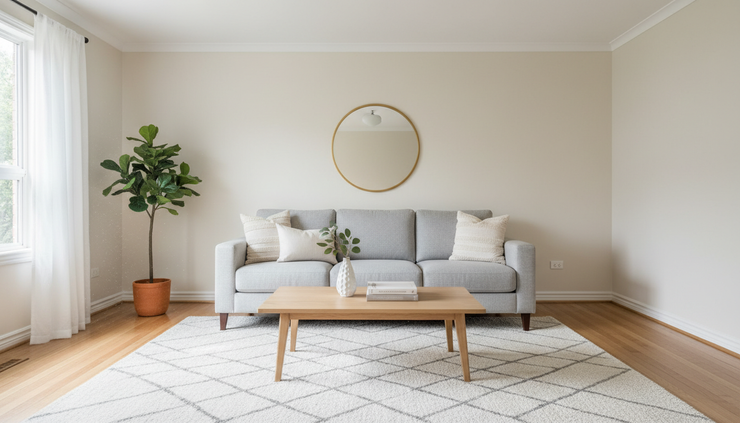
Stage the home so buyers see space, not chores
Staging does not mean filling the home with rented furniture. It means removing distractions and showing each room’s purpose.
Start with clutter. Clear counters, closets, shelves, and floors. Buyers will open cabinets and storage areas. Crowded storage makes the home feel smaller.
Then clean deeply. Pay attention to:
Baseboards
Windows
Ceiling fans
Grout
Appliances
Light switches
Interior doors
Pet areas
Remove strong odors. Do not hide them with heavy air fresheners. Clean the source instead.
Set up each room with a clear use. A spare room should look like a bedroom, office, or simple sitting room. Avoid rooms that feel like storage zones.
Use mirrors and lamps to brighten darker rooms. Open blinds before showings. Replace burned-out bulbs. Make beds. Put away laundry. These basics matter.
Improve curb appeal before the sign goes up
The outside sets buyer expectations. If the yard looks neglected, buyers may assume the inside has problems too.
Focus on fast, practical tasks:
Mow and edge the lawn
Trim shrubs away from windows and walkways
Add fresh mulch
Remove weeds
Power wash siding, steps, and walkways
Clean the front door
Replace a worn doormat
Add simple potted plants near the entry
Repair loose railings or cracked steps
If the mailbox, house numbers, or porch light look dated, replace them. These updates cost little and make photos look better.
Curb appeal also includes safety. Fix uneven walkways where possible. Secure loose handrails. Make sure exterior lights work. Buyers should feel comfortable walking up to the home at night.

Avoid common mistakes before selling
Some mistakes cost money. Others cost time. A few can derail buyer confidence.
Do not over-renovate
A full remodel right before selling can eat into your profit. Avoid expensive custom upgrades unless they fix a real problem. Buyers may not share your taste.
Spend where it counts. Repair safety issues, visible damage, and dated features that drag down the whole room.
Do not ignore inspection red flags
If a problem is easy to spot, buyers will see it too. The inspector will likely find it.
Common red flags include water stains, cracked windows, damaged outlets, soft flooring near tubs, and signs of pests. Fix what you can before listing. Get receipts for completed work.
Do not price based on repairs alone
Repairs help the home compete. They do not always raise the price dollar for dollar. Look at nearby sales, condition, location, and market demand.
A well-prepared home may sell faster and with fewer objections. That can be as valuable as a higher list price.
Do not hide defects
Disclose known issues as required by your state. Covering up problems can create legal trouble later. Be direct. If you fixed an issue, keep the paperwork.
FAQ
What repairs should come first before selling a home?
Start with safety and function. Roof leaks, plumbing issues, electrical problems, water damage, and structural concerns should come before cosmetic updates.
Is it worth painting before selling?
Yes, if walls are scuffed, dark, patched, or outdated. Neutral paint can make rooms feel cleaner and brighter without a large budget.
Should I renovate the kitchen before listing?
Usually, small updates are safer than a full remodel. New hardware, fresh caulk, clean grout, updated lighting, and a modern faucet can help without major cost.
How much staging is enough?
Aim for clean, bright, and uncluttered. Each room should have a clear purpose. You do not need expensive furniture if the home already shows well.
Can I sell without making repairs?
Yes. Some buyers purchase homes as-is. If that route fits your situation, be ready for pricing adjustments and fewer traditional buyer expectations. For help weighing repair costs against a faster sale, contact Cashmore Properties.
Make the home easy to say yes to
Essential Home Repairs and Upgrades to Boost Value Before Selling should start with trust. Buyers want a home that feels safe, clean, and cared for.
Fix the major systems first. Make smart, low-cost updates next. Clean hard. Stage simply. Improve the entry. Avoid big projects that do not pay off.
A prepared home gives buyers fewer reasons to hesitate. That can lead to smoother showings, cleaner offers, and fewer surprises after inspection.


Comments